Regeneration Through Art: Discovery from Fondation Louis Vuitton (Paris, FR)
More than 11 million visitors have visited since opening in 2014. The Fondation Louis Vuitton is driven by a mission of public interest: to make art and culture accessible to the widest possible audience. Established through the vision of Bernard Arnault of LVMH, the Fondation gives space to support artistic creation, foster collaboration between modern masters and contemporary artists, and give society a place to discover. More than a museum, it is a thriving institution dedicated to preserving cultural heritage while inspiring future generations (fondationlouisvuitton.fr). We are really fortunate to have these spaces that remind us of the past, present, and future.
I recently had the pleasure of visiting the Fondation and found myself wandering through its winding galleries, where architecture, nature, art, and global perspectives seamlessly converge. The experience was very meaningful because I dedicated the visit to a family member who taught me the importance of generosity, giving back, and embracing regeneration—not simply as an environmental principle, but as a way of living. That perspective stayed with me throughout the afternoon and continues to live in me through my values, vision, and my own creative process.
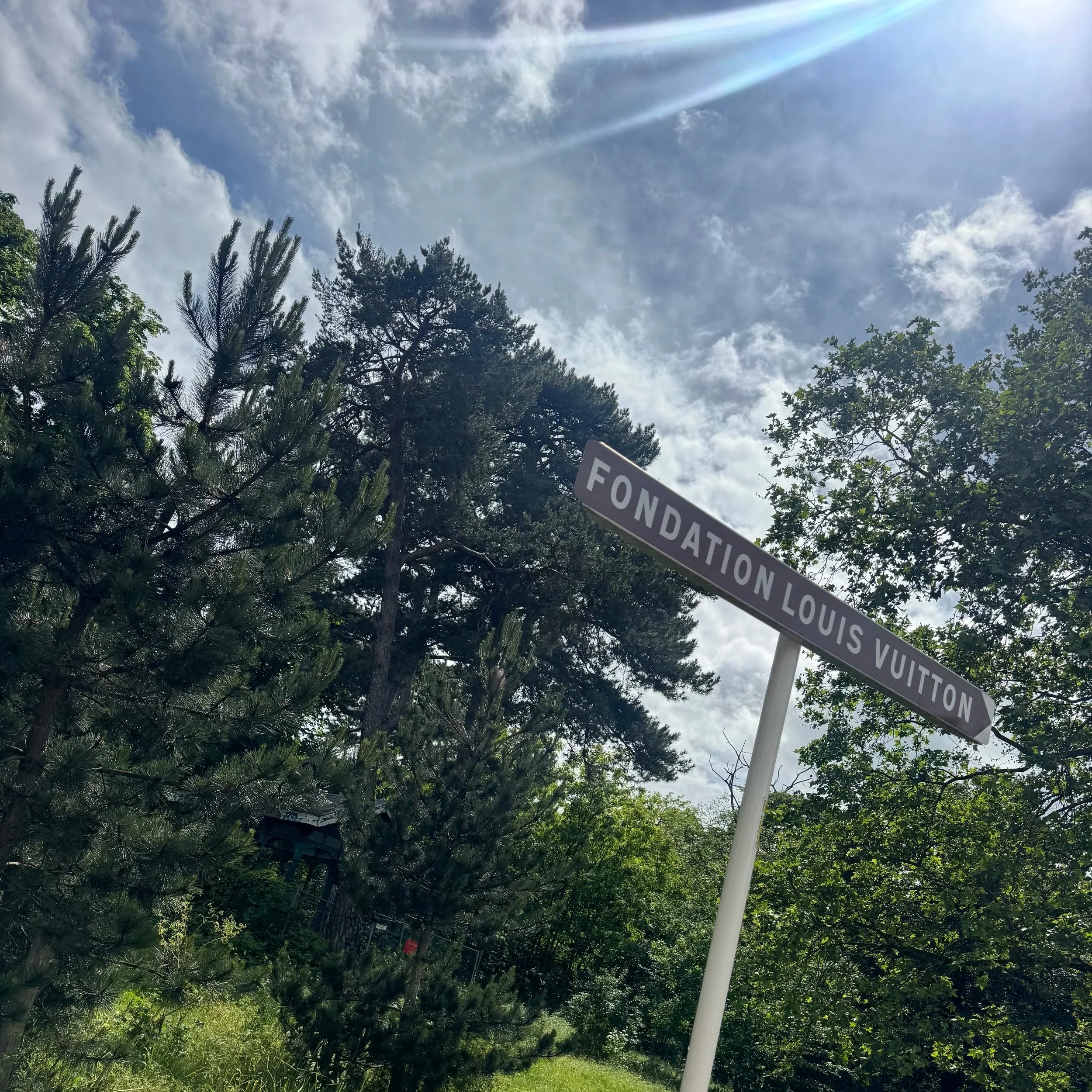
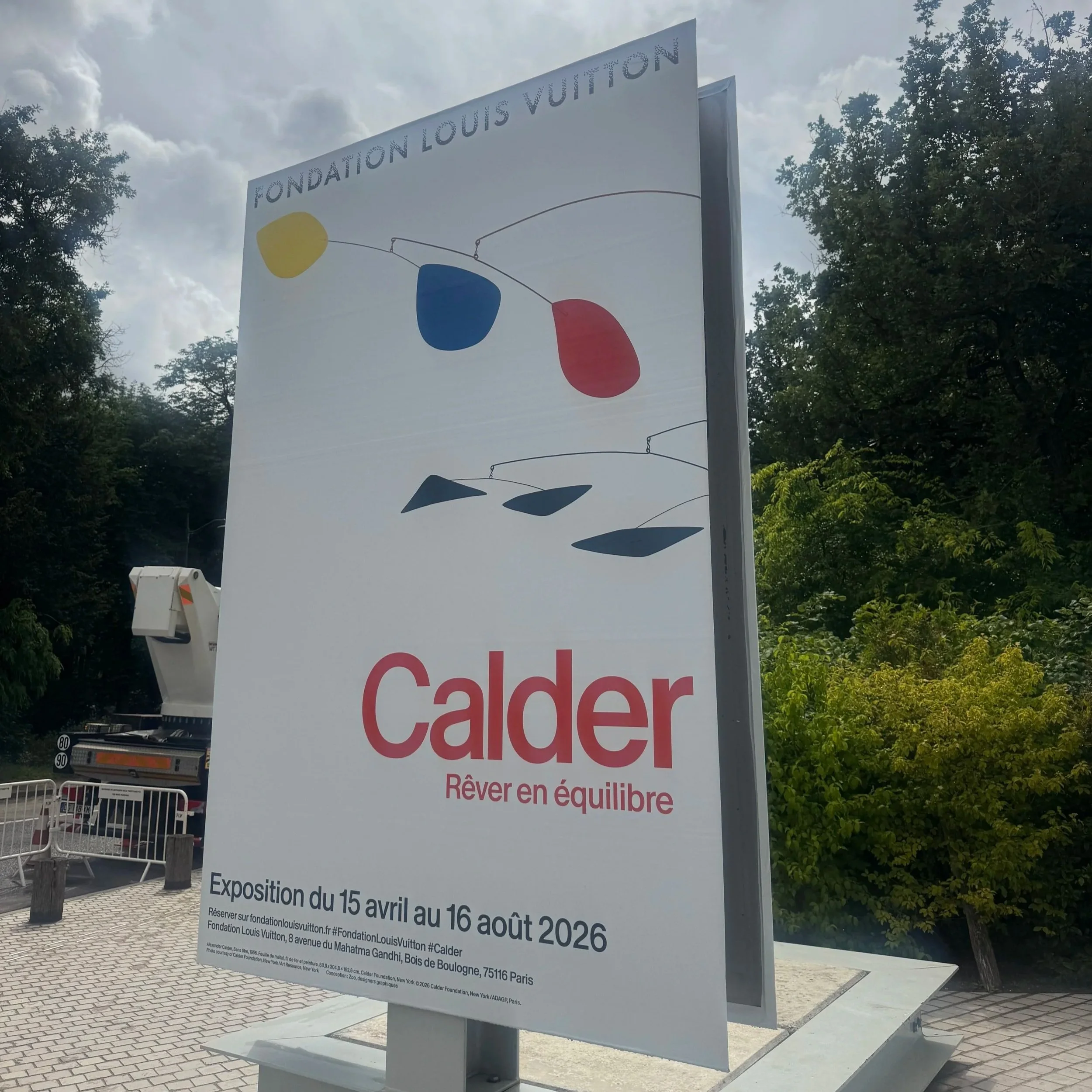
As an International MBA student studying Global Business in Paris, I find joy in examining regeneration through the lens of business strategy, supply chains, sustainability, and long-term value creation. Yet the Fondation reminded me that regeneration begins long before corporate frameworks or ESG reports; it starts with people, with culture, with the intentional decision to preserve knowledge while creating something new.
The building itself tells this story before visitors even enter the galleries.
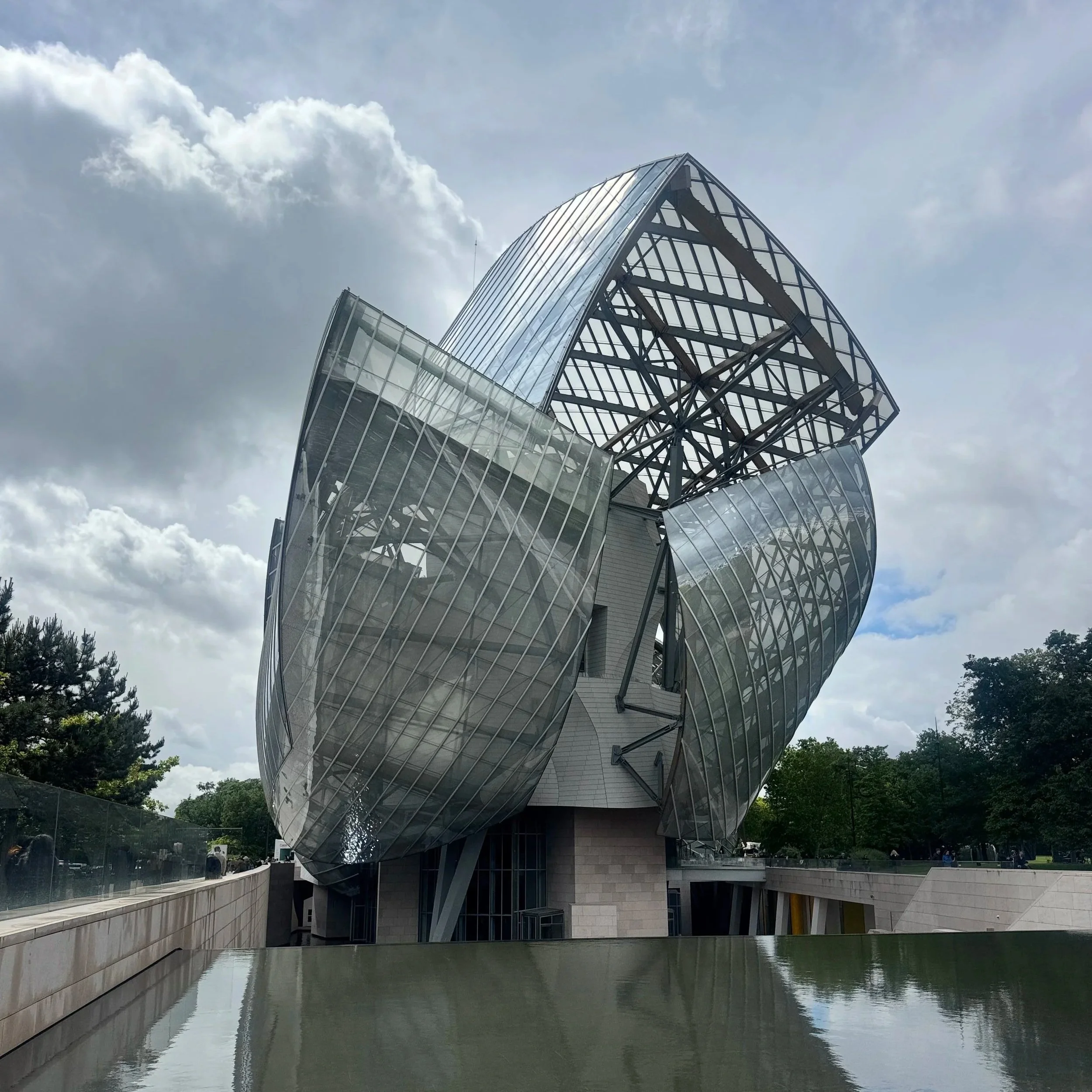
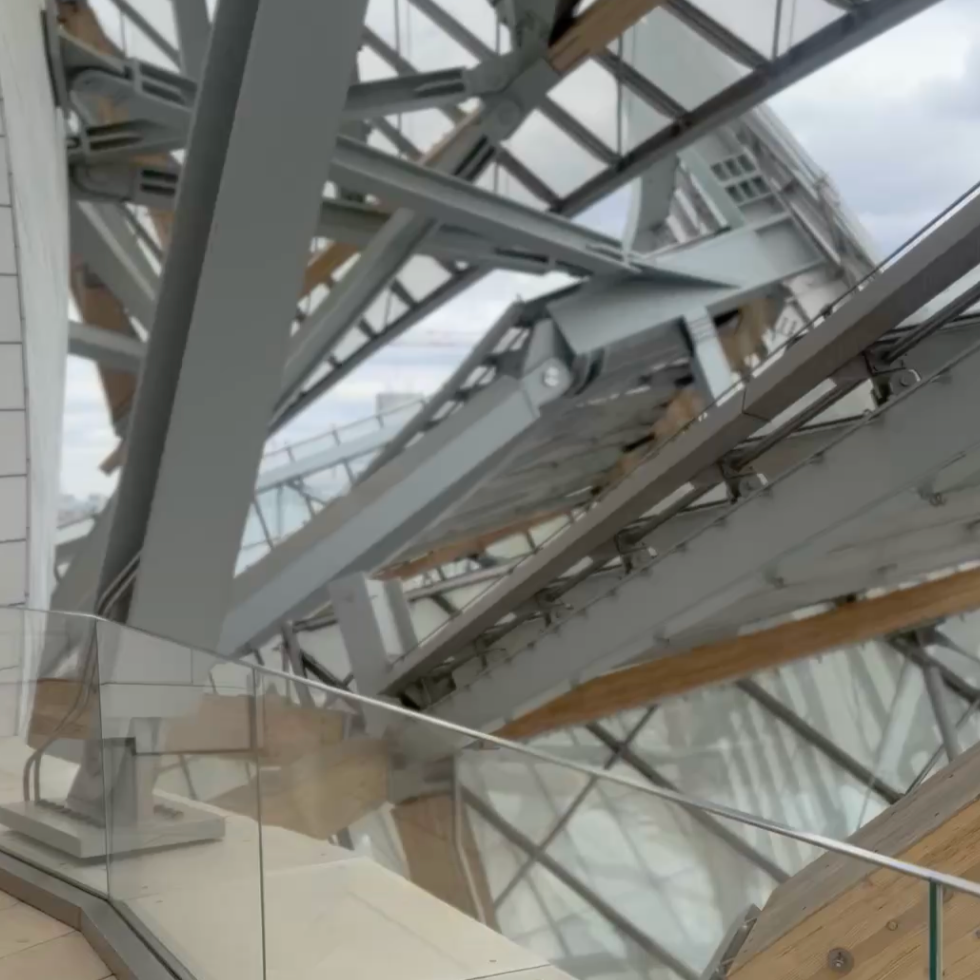
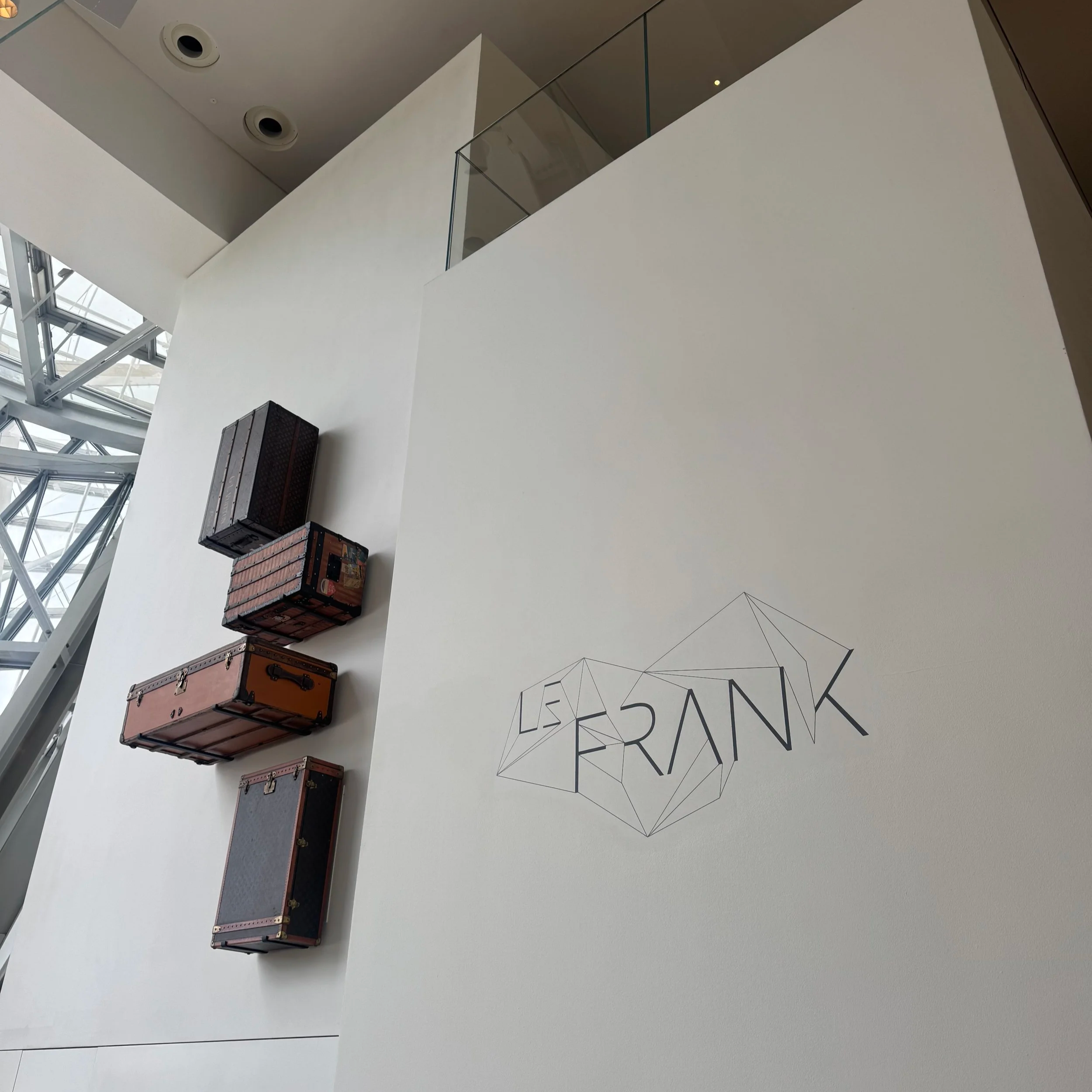
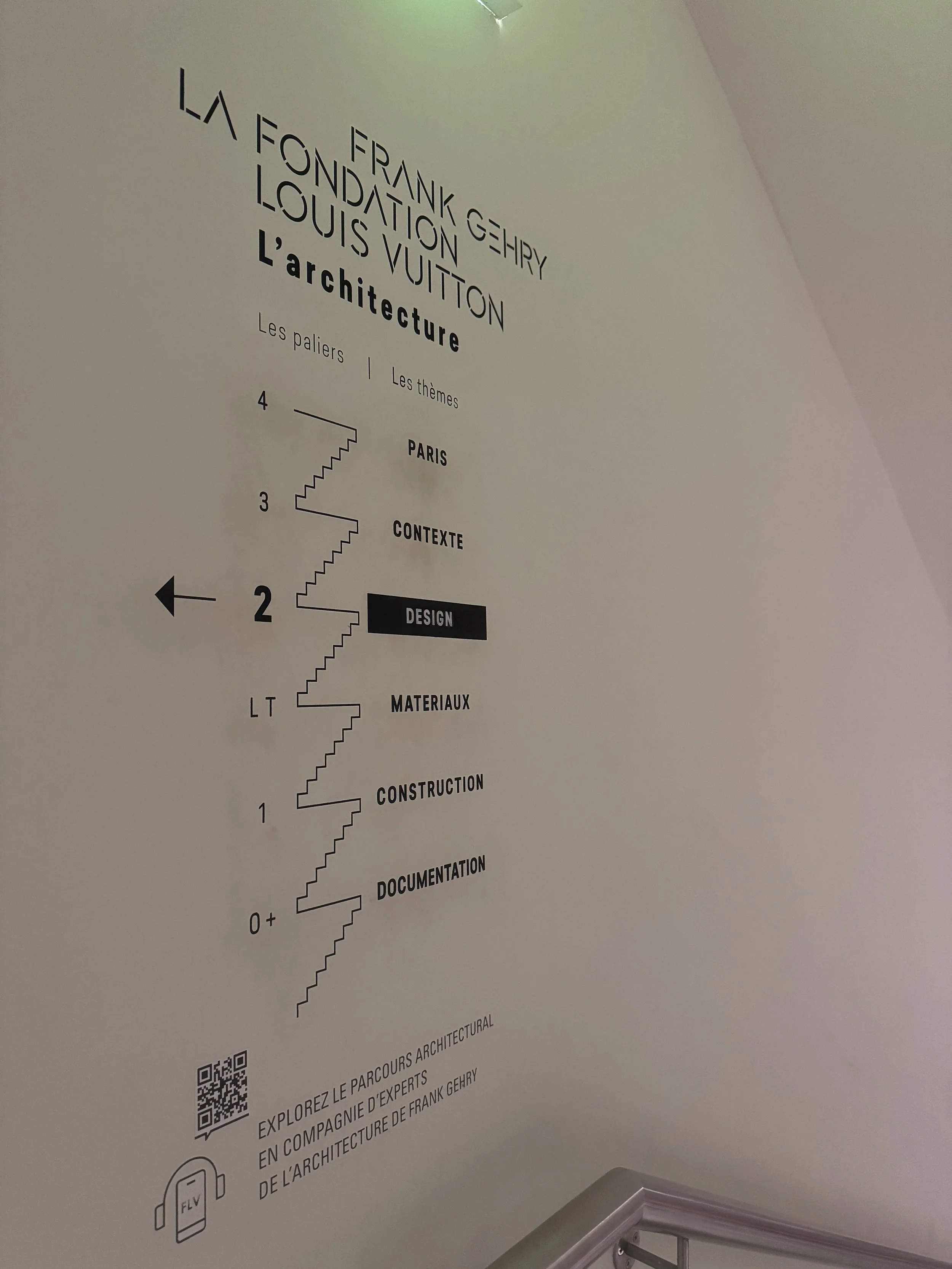
Designed by architect Frank Gehry, the Fondation rises from the Bois de Boulogne like a ship vessel carried guided by the wind. Its sweeping glass sails reflect the changing light, surrounding landscape, and passing seasons. The structure never appears quite the same twice, becoming a physical reminder that renewal is continuous rather than static.
Architecture becomes more than shelter—it becomes conversation.
The building demonstrates that innovation does not require abandoning history. Instead, it invites dialogue between engineering, craftsmanship, design, and nature. It is a compelling example of how creative ambition can coexist with respect for cultural heritage.
This idea resonated deeply with my own research into regenerative business models.
Too often, sustainability discussions focus on minimizing harm: reducing emissions, lowering waste, or improving operational efficiency. These are essential goals, but regeneration asks a different question:
How can we leave systems healthier than we found them?
The same question applies beyond environmental stewardship.
How do we regenerate communities?
How do we regenerate creativity?
How do we regenerate culture?
As I moved from gallery to gallery, I realized the Fondation quietly answers these questions by investing in artists, creating opportunities for public engagement, and ensuring significant works remain accessible for future generations. Through exhibitions, performances, educational programs, and artistic commissions, the institution demonstrates that cultural investment is itself a regenerative act. (fondationlouisvuitton.fr)
One concept continually came to mind during my visit:
Savoir-faire.
There is no perfect English translation, but there is a parallel between the concept that is put into practice through heritage and regeneration. It encompasses craftsmanship, technical expertise, artistic mastery, cultural understanding, patience, and the wisdom accumulated through experience. Across France, savoir-faire is treated as something to be protected rather than merely practiced. It is passed from artisan to apprentice, from mentor to student, from one generation to the next. It represents continuity. Luxury, at its highest level, is built upon this principle. While products often receive the spotlight, it is the invisible network of artisans, designers, historians, engineers, conservators, and educators who preserve excellence over decades. Their work reminds us that value is created not only through innovation but through stewardship. The Fondation reflects this philosophy beautifully. Every exhibit becomes an act of preservation. Every educational program becomes an investment in future creators. Every visitor becomes part of a larger cultural dialogue. Walking through the galleries, I found myself slowing down. In today’s business environment, speed is often celebrated. Quarterly results, market share, and rapid innovation dominate executive conversations.
Art asks us to do something different.
Discover. Observe. Listen. Reflect. Create. Regenerate.
These moments of intentional pause and observation may be among the most valuable leadership practices we have. Creativity rarely emerges from constant acceleration. It grows in spaces where curiosity is encouraged, and diverse perspectives intersect. This is where I believe art and business become deeply connected.
The leaders who will shape the next generation of organizations must become cultural learners as much as strategic thinkers. They must recognize that innovation is strengthened by empathy, strengthened by history, and strengthened by perspectives that differ from their own. Global business is ultimately about people. Culture influences how we communicate. History shapes how we negotiate. Art expands how we imagine. As businesses navigate environmental, social, and governance challenges, creative thinking may become one of the most important competitive advantages. Regeneration requires imagination before implementation. Another lesson from the Fondation is that legacy is not something we leave behind at the end of our careers. Legacy is something we build every day through the knowledge and experiences we share, the people we mentor, and the opportunities we create for others. That realization brought me back to the family member I was honoring throughout my visit. The greatest inheritance we receive is rarely financial.
It is Values. Curiosity. Integrity. Compassion. Generosity.
A belief that we have a responsibility to leave places, people, and environments better than we found them.
Those lessons have shaped my own academic journey in Paris and continue to influence my research on regenerative supply chains, transparency, and long-term value creation. They remind me that regeneration is ultimately human.
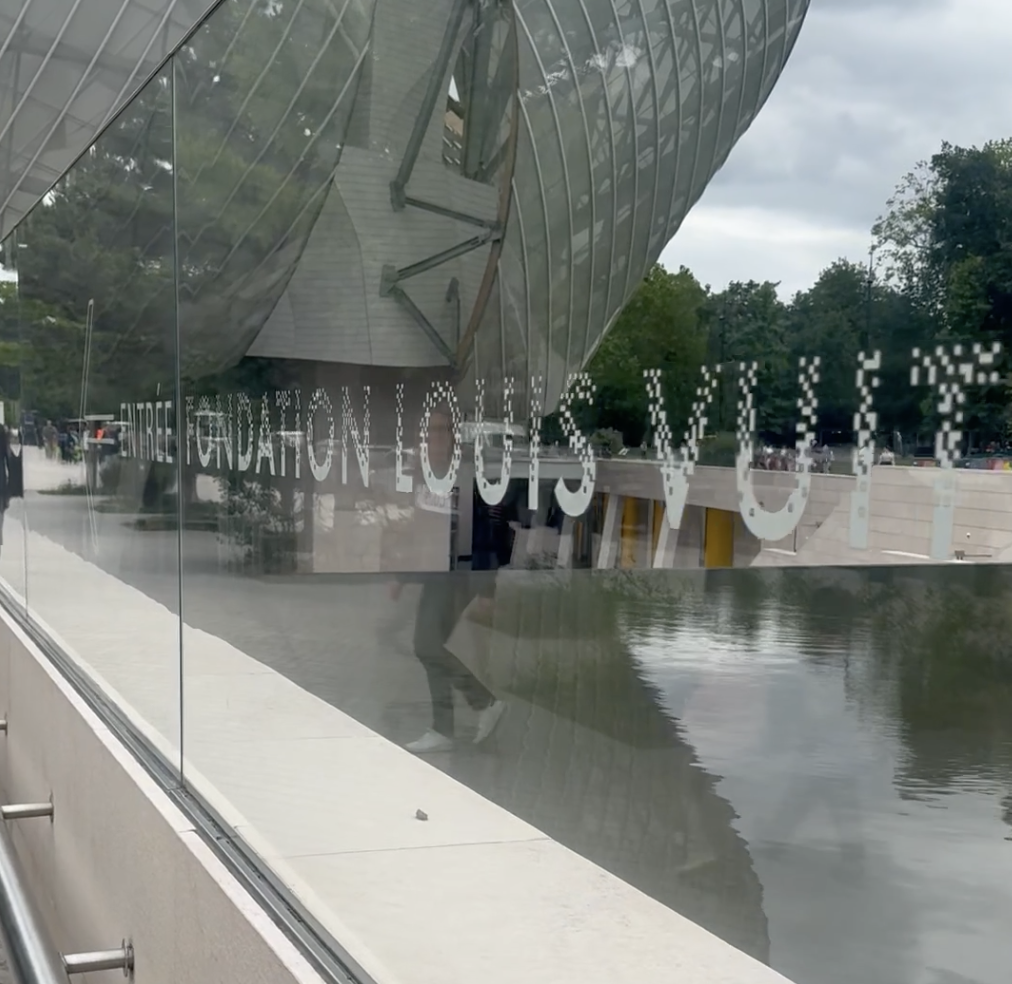
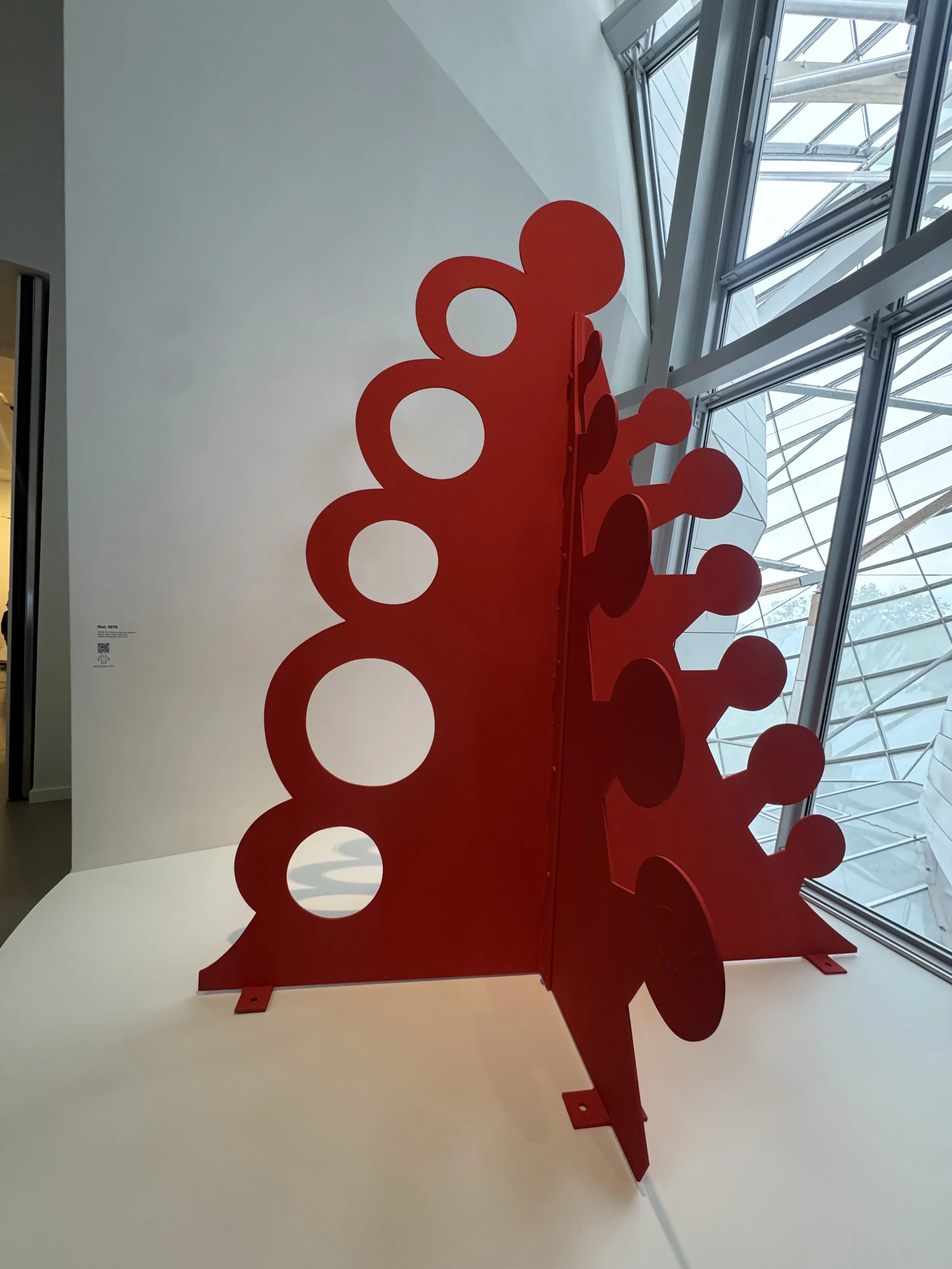
It is found in classrooms where professors inspire new ways of thinking.
It is found in artisans preserving centuries-old techniques.
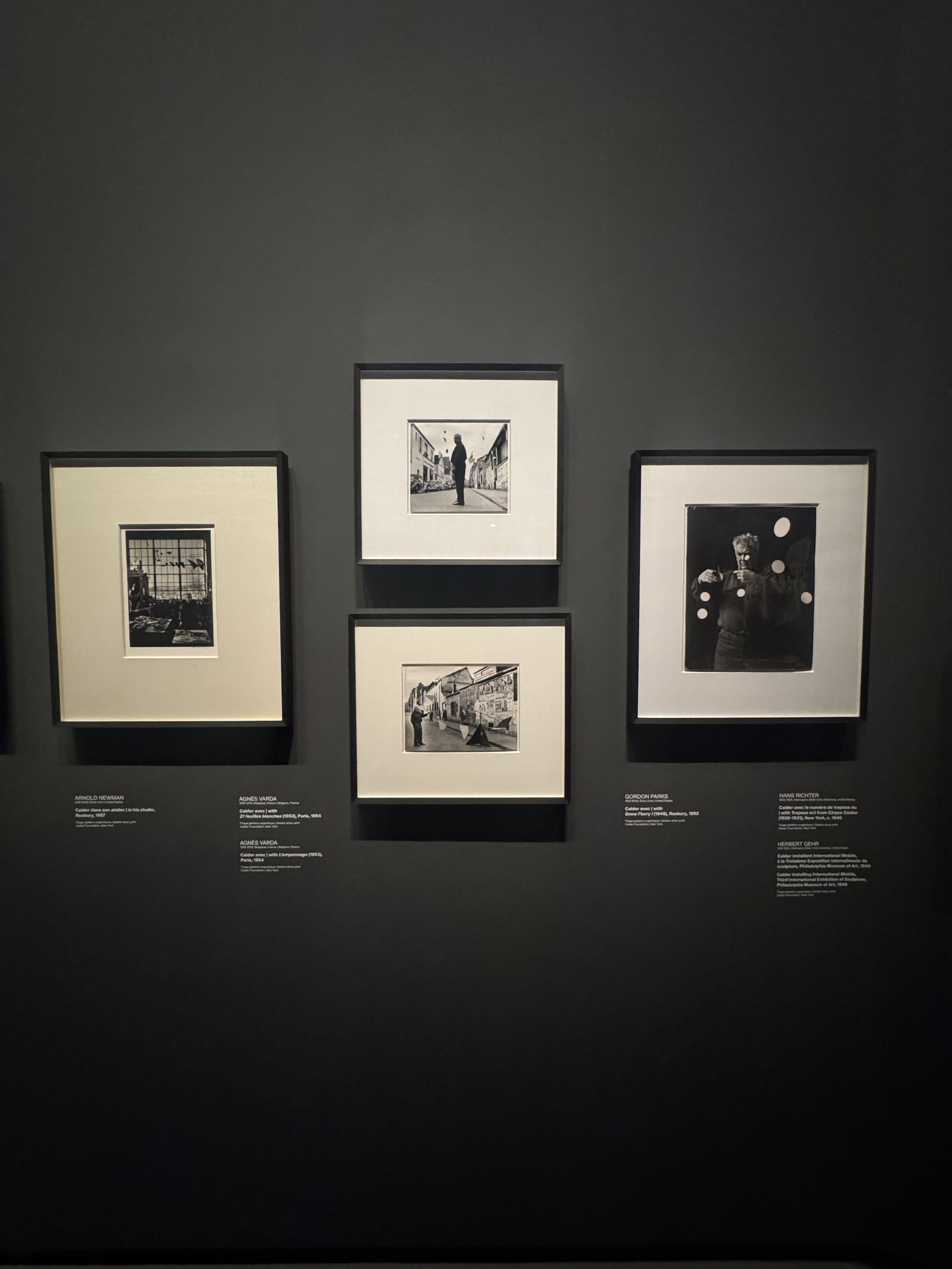
It is created in cultural centers that invest in artists whose work will influence future generations.
It is found in businesses willing to redefine success beyond short-term financial performance.
And perhaps most importantly, it is found in each of us whenever we choose to share our own experiences and inspire others.
As I left the Fondation Louis Vuitton and stepped back into the gardens of the Bois de Boulogne, I carried more than memories of remarkable architecture and extraordinary works of art.
I left with the reminder that regeneration is not a trend.
It is a mindset. A way of living.
It is an investment in people, culture, creativity, the environment and future generations.
Whether we are business leaders, parents, students, professors, artists, or lifelong learners, we all have the opportunity—and responsibility—to contribute to something that outlives us.
Because the most enduring form of luxury is not what we own.
It is the experience, creativity, and humanity we choose to pass forward.
Discover more of Frank Gehry’s Architecture featured in Architectural Digest here.